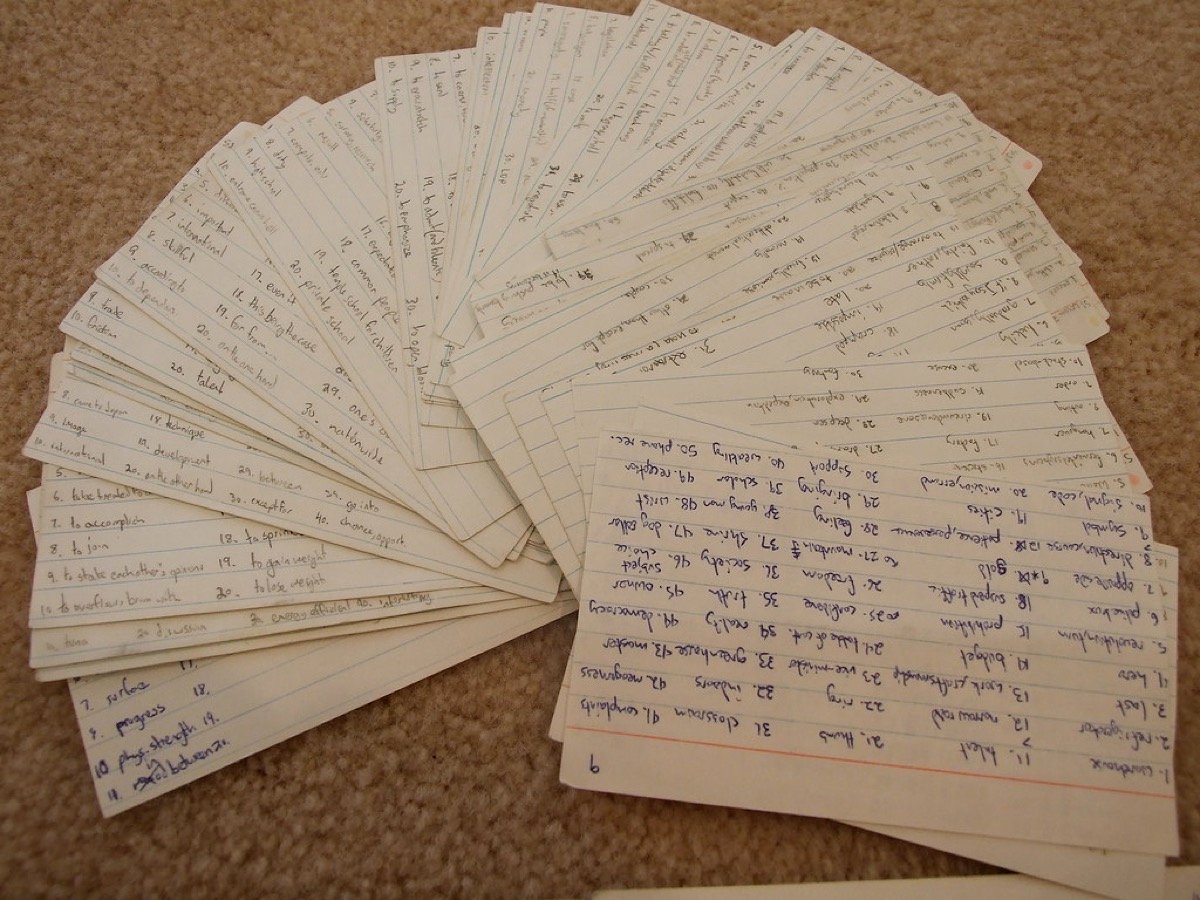
Why Cramming Fails
Cramming feels productive because you're staring at material for hours, but memory research says otherwise. The spacing effect, one of the most replicated findings in psychology, shows that information reviewed across several separate sessions sticks far longer than the same amount of time spent in one sitting. Cramming loads facts into short-term memory just long enough for the test, then most of it fades within days.
Reverse-Engineer From Your Exam Date
Start with the exam date and count backward. Figure out how many actual study days you have available, factoring in the days you already know will be busy with practice, work, or other classes. Then break the syllabus into topics or chapters and spread them across those days instead of front-loading the easy material or leaving the hardest chapters for the final 48 hours.
A rough rule: divide your available days by the number of topics, then assign extra days to whatever you find hardest rather than splitting time evenly. If you genuinely don't know which topics will be hardest, skim the syllabus or an old quiz first, that ten minutes of planning saves hours later.
Why Review Days Matter
Don't schedule new material all the way up to test day. Build in dedicated review days that revisit topics you covered a week or more earlier. This is where the spacing effect actually pays off, the second and third exposure to material is what moves it into long-term memory, not the first pass. A short, active review, like answering practice questions from memory, works better than simply re-reading old notes.
Balancing Multiple Subjects
When you're juggling several classes, avoid dedicating an entire day to just one subject. An hour of biology, a break, then 45 minutes of something else beats three straight hours of biology. Switching subjects periodically keeps your brain from tuning out, and it mirrors how exams actually test you: on separated, distinct topics rather than one continuous block of related material.
Dealing With a Schedule That Slips
Plans slip. Build one buffer day into every week specifically for catching up, so a missed session on Tuesday doesn't cascade into missing everything for the rest of the week. A schedule with zero slack is a schedule you'll abandon the first time life gets in the way.
A Sample Two-Week Schedule
Mon: Ch. 1-2 Thu: Ch. 5
Tue: Ch. 3 Fri: Review Ch. 1-5
Wed: Ch. 4 Sat: Buffer day
Sun: Rest
Week 2
Mon: Ch. 6-7 Thu: Full review
Tue: Ch. 8 Fri: Practice test
Wed: Ch. 9 Sat: Buffer day
Sun: Light review, rest early
Adjust the ratio of new material to review based on how much content you're covering, but keep the buffer days and at least one full review session before the exam. A realistic schedule you actually follow beats a perfect one you abandon by day three. If you fall behind, resist the urge to redo the whole plan, just shift the remaining topics forward and let a buffer day absorb the difference.